Le Product-Led Growth expliqué aux directeurs marketing B2B
Le Product-Led Growth repose sur une mécanique précise que beaucoup de directeurs marketing décrivent sans réellement maîtriser. Comprendre ce mécanisme change profondément la façon dont on construit une stratégie d'acquisition et de rétention en B2B.
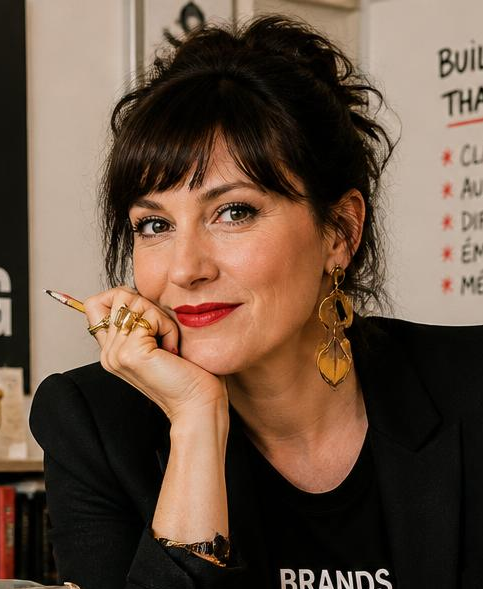 Ada BrandtStratège marque et marketing2 août 2026
Le Product-Led Growth, souvent abrégé PLG, est un modèle de croissance dans lequel le produit lui-même est le principal vecteur d'acquisition, de conversion et d'expansion des clients. La confusion vient du fait que beaucoup d'organisations utilisent le terme pour désigner simplement une offre freemium ou un essai gratuit. Ce sont des mécaniques possibles dans une stratégie PLG, mais elles n'en constituent pas l'essence. Le vrai enjeu, pour un directeur marketing B2B, est de comprendre comment le produit peut remplacer ou amplifier des étapes entières du funnelfunnelLe parcours client de la découverte à l'achat, généralement Awareness, Interest, Consideration, Decision, Action, avec des prospects de moins en moins nombreux à chaque étape.Voir la définition complète → traditionnel, et dans quels cas cette logique s'applique réellement à son contexte.
Pourquoi ce modèle concerne directement le CMO
Dans un modèle de vente B2B classique, le marketing génère des leads qualifiés, la force de vente les convertit, et le produit arrive en bout de chaîne. Le PLG inverse partiellement cette séquence : l'usage du produit précède la décision d'achat, ce qui transforme radicalement les métriques pilotées par le marketing.
Le CMO n'est plus seulement responsable du coût d'acquisition (CACCACLe Customer Acquisition Cost (CAC) correspond au total des dépenses commerciales et marketing divisé par le nombre de nouveaux clients gagnés sur une période. Il mesure l'efficacité de votre croissance.Voir la définition complète →) et du volume de leads. Il devient co-responsable d'indicateurs liés à l'activation produit : le taux d'utilisateurs qui atteignent un "moment de valeur" dans les 72 premières heures, le taux de conversiontaux de conversionLe pourcentage de visiteurs ou de prospects qui réalisent une action attendue (achat, inscription, formulaire de contact), calculé en divisant les conversions par le nombre total d'opportunités.Voir la définition complète → free-to-paid, la vitesse d'expansion au sein d'un compte. Ces métriques appartiennent historiquement aux équipes produit ou customer success. Le PLG les place dans le périmètre marketing parce que c'est l'acquisition qui détermine la qualité des utilisateurs entrants, et donc leur probabilité d'activation.
D'après Forrester, les entreprises SaaS B2B avec un mouvement PLG affichent des coûts d'acquisition significativement inférieurs à ceux qui opèrent exclusivement via un modèle vente-assistée, avec une accélération du cycle de conversion pour les comptes SMB. Ces chiffres sont cohérents avec ce qu'ont publié Openview Partners (cabinet spécialisé SaaS) dans leurs benchmarks annuels, même si ces données proviennent d'un acteur qui investit dans des sociétés PLG, ce qui oriente leur sélection d'échantillons.
Comment le mécanisme fonctionne concrètement
Le PLG repose sur une boucle en trois étapes : acquisition organique via l'usage, activation individuelle, puis expansion virale ou ascendante dans l'organisation.
Prenons Slack. À son lancement, Slack ne vendait pas à des DRH ou des DSI. Des équipes produit ou engineering adoptaient l'outil librement, souvent sans achat formel. Quand la valeur devenait évidente pour ces utilisateurs, l'outil se propageait à d'autres équipes dans la même entreprise. Les décideurs découvraient Slack parce que leurs équipes l'utilisaient déjà, pas parce qu'un commercial les avait contactés. La conversion vers un abonnement payant suivait l'expansion, elle ne la précédait pas.
La mécanique précise comporte quatre éléments interdépendants :
- Un accès immédiat sans friction (pas de démo obligatoire, pas de formulaire à dix champs)
- Un "aha moment" atteignable sans aide humaine, c'est-à-dire une valeur perçue suffisamment tôt dans l'expérience pour que l'utilisateur ait une raison de revenir
- Une viralité intégrée au produit, souvent par invitation d'autres utilisateurs ou par partage de livrables (Figma, Notion, Loom fonctionnent tous sur ce principe)
- Un signal produit exploitable par le marketing ou la vente pour identifier les comptes chauds à contacter au bon moment
Ce dernier point est souvent sous-estimé. Figma ne se contentait pas de laisser les utilisateurs explorer librement : les équipes commerciales recevaient des alertes lorsqu'un compte gratuit dépassait un certain seuil d'usage collaboratif, signalant un potentiel d'expansion. C'est ce qu'on appelle le Product Qualified Account (PQA), distinct du MQLMQLUn Marketing Qualified Lead (MQL) est un prospect dont les signaux d'engagement et de fit indiquent une probabilité plus forte de devenir client, ce qui justifie de le transmettre aux sales.Voir la définition complète → traditionnel. Le marketing B2B qui pilote un mouvement PLG doit construire ces définitions de PQA avec les équipes données et produit, pas seulement décider d'un score de lead basé sur des comportements email.
Quand adopter ce modèle, et quand l'éviter
Le PLG n'est pas adapté à tous les contextes B2B, et prétendre le contraire reviendrait à mal conseiller les CMO qui travaillent dans des secteurs ou des segmentssegmentsDécouper un marché en groupes distincts de clients partageant des besoins, des caractéristiques ou des comportements similaires, afin de traiter chaque groupe avec une approche dédiée.Voir la définition complète → où il ne fonctionnera pas.
Il s'applique bien lorsque plusieurs conditions sont réunies. Le produit doit pouvoir délivrer de la valeur à un utilisateur individuel avant même l'achat d'un abonnement entreprise. Le cas d'usage doit être suffisamment simple pour ne pas nécessiter de configuration complexe ou d'intégration systèmes avant l'activation. Et la viralité doit être crcrLe pourcentage de visiteurs ou de prospects qui réalisent une action attendue (achat, inscription, formulaire de contact), calculé en divisant les conversions par le nombre total d'opportunités.Voir la définition complète →édible : un utilisateur doit naturellement vouloir partager ou inviter d'autres personnes.
Le modèle atteint ses limites dans plusieurs configurations. Pour un logiciel de gestion de la chaîne logistique, d'infrastructure réseau, ou de conformité réglementaire, la valeur est rarement perceptible par un utilisateur isolé. Elle dépend d'une mise en production complète, d'intégrations avec des systèmes existants, et d'une adoption organisationnelle coordonnée. Dans ces cas, imposer un freemium crée surtout de la complexité opérationnelle sans générer de conversion significative.
Il faut aussi nommer un risque réel : le PLG peut créererLe rapport entre les interactions (likes, commentaires, partages) et le reach d'un contenu, utilisé pour mesurer la réaction de l'audience au regard du nombre de personnes touchées.Voir la définition complète → une illusion de croissance. Une base d'utilisateurs gratuits qui grossit ne signifie pas que la monétisation suit. Dropbox a mis plusieurs années à résoudre sa conversion free-to-paid à grande échelle. Pour un CMO dont les objectifs portent sur le pipelinepipelineL'ensemble des opportunités commerciales actives réparties selon les étapes du processus de vente, avec leur valeur potentielle cumulée et leur probabilité de conclusion.Voir la définition complète → et le revenu, piloter uniquement le volume d'inscrits est une erreur de métrique qui finit par coûter cher lors des revues budgétaires.
La version hybride, souvent appelée PLG+Sales ou "Product-Led Sales", est aujourd'hui le modèle le plus répandu chez les éditeurs SaaS B2B mid-market. HubSpot (éditeur CRMCRMCustomer Relationship Management : logiciel et stratégie pour gérer et analyser les interactions clients tout au long de leur cycle de vie.Voir la définition complète →, chiffres à croiser avec des sources indépendantes) et Atlassian l'ont pratiqué pendant des années : le produit capte les utilisateurs, la vente prend le relais sur les comptes à fort potentiel identifiés par les signaux produit. C'est ce modèle hybride que la plupart des CMO B2B devraient analyser en priorité plutôt que de chercher à dupliquer le cas pur de Slack ou Calendly, qui opèrent dans des segments très spécifiques.
Le PLG n'est pas une stratégie marketing à proprement parler. C'est un modèle de croissance qui redéfinit le rôle du marketing dans le cycle de vie client. Pour un CMO B2B, la question opérationnelle n'est pas "devons-nous faire du PLG" mais "quels signaux produits pouvons-nous exploiter dès aujourd'hui pour améliorer la qualité de notre pipeline".
Pour aller plus loin
Les leçons qui prolongent cet article, en accès libre.
- 1Playbook du CMO et tactiques avancées pour la stratégie go-to-marketProduct marketing
- 2Stratégie de pricing : frameworks et méthodologieProduct marketing
- 3Playbook du CMO & tactiques avancées : maîtriser CAC, LTV et ROAS à grande échelleMarketing analytics
- 4Stratégie go-to-market : fondations et concepts clésProduct marketing
- 5Application concrète du digital analyticsMarketing analytics
Vous avez lu cet article ?
Validez votre lecture pour gagner de l’XP et alimenter votre radar.